
The Allure of Chance and Uncertainty
The thrill of gambling often stems from the inherent uncertainty and chance that accompany games of luck. Many individuals are drawn to casinos because of the excitement that comes with not knowing the outcome. This uncertainty activates the brain’s reward system, releasing dopamine, the “feel-good” neurotransmitter. When players win, the rush can be intoxicating, reinforcing the desire to play again and chase that exhilarating feeling. For those interested in maximizing their experience, casino fast withdrawal uk options can significantly enhance the enjoyment by providing quicker access to winnings. The unpredictability associated with gambling is a significant factor in its appeal, as it creates a sense of adventure that many find irresistible.
Moreover, the element of chance provides an escape from the routine of daily life. For many, stepping into a casino is akin to entering an entirely different world where the normal rules do not apply, and the stakes are high. This sense of escapism allows players to momentarily forget their worries and immerse themselves in the thrill of the game, reinforcing their passion for the gambling experience. The atmosphere of excitement, filled with flashing lights and sounds, creates a sensory overload that heightens the feeling of being alive, making the gambling experience even more captivating.
Additionally, the popularity of social gambling where people gather to enjoy their time amplifies this allure. The dynamics of social interactions significantly enhance the gambling experience, as players bond over shared experiences and celebrate wins together. This communal atmosphere increases the emotional stakes, making the act of gambling more enjoyable and often more addictive. The combination of chance, uncertainty, and social engagement forms a potent mix that attracts even those who might not consider themselves regular gamblers, drawing them into the world of casinos.
Psychological Triggers and Reinforcement
Psychological triggers play a crucial role in why people frequent casinos. The environment is meticulously designed to stimulate the senses—bright lights, engaging sounds, and alluring visuals create a sensory overload that is hard to resist. These elements serve as reminders and reinforcements that gambling is a rewarding activity. For instance, the sound of coins dropping or the celebratory music that plays during a win creates a positive feedback loop that compels individuals to continue playing. When players experience wins, it conditionally reinforces their behavior, establishing a pattern that makes them return for more.
Additionally, casinos employ various psychological techniques to appeal to their patrons. Players often encounter frequent small wins, known as “near misses,” which can boost their motivation and engagement. These near misses create a false sense of winning, leading individuals to believe they are just one step away from a significant payout. This illusion can result in players returning to the tables or machines, convinced that their luck will change for the better soon. The environment is crafted to keep patrons engaged, ensuring that even when they lose, they feel compelled to keep trying.
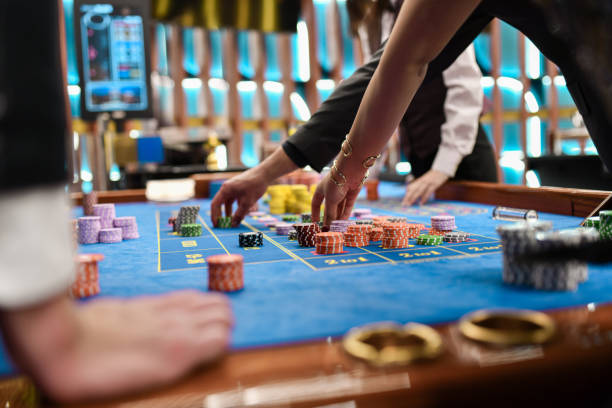
The concept of loss aversion is also relevant in this context. People tend to feel the pain of losses more acutely than the joy of wins. This emotional response can lead to a chasing behavior where players try to recover their losses by gambling more. The psychological impact can be profound, creating a cycle of playing not just for entertainment or thrill but in an attempt to rectify previous losses. This behavior ultimately deepens their engagement with gambling, as they become trapped in a loop of chasing losses rather than enjoying the game itself.
The Role of Social Factors in Gambling
The social component of gambling cannot be understated. Many individuals engage in gambling as a recreational activity that provides a chance to socialize and connect with others. Casinos offer an environment where friends, family, and even strangers come together, united by a shared interest in games of chance. This community aspect can enhance the overall experience, making it more enjoyable and less about monetary stakes. The camaraderie formed during these interactions can lead to lasting memories, further solidifying the attraction to casinos.
Furthermore, social norms and peer influence significantly impact an individual’s decision to gamble. If someone’s social circle actively engages in gambling, it can normalize the activity and encourage participation. Many people find themselves trying out gambling for the first time because they want to fit into their social group, often discovering that the excitement fuels their desire to gamble more. This influence can create a sense of belonging and shared experience that heightens the thrill of gambling.
The presence of social interactions can also mask the potential downsides of gambling. Engaging with others while playing can make the experience feel less risky and more like a form of entertainment than a financial gamble. This perception can lead individuals to underestimate the potential for losses, making them more likely to partake without fully considering the consequences. The intertwining of social dynamics and gambling behavior creates an environment that can foster addiction for some individuals, as the social reinforcement may overshadow the risks involved.
The Illusion of Control and Skill
Many gamblers are drawn to the belief that they can exert control over the outcomes of games traditionally based on chance. This illusion of control manifests in various ways, with some players believing that skill can influence the results, particularly in games that involve strategy, such as poker. This mindset can lead to a false sense of confidence and a compulsion to play more frequently, as players attempt to leverage their perceived advantages. The thrill of outsmarting opponents or mastering a game can be highly addictive, making individuals want to return for more.

The desire to beat the odds can be a powerful motivator. In skill-based games, players often analyze strategies, calculate odds, and engage in psychological maneuvers to outsmart their opponents. This effort can create a sense of accomplishment that further fuels their engagement with gambling. The success achieved through skill can enhance enjoyment and reinforce the belief that gambling is a game of skill rather than sheer chance. This perception can lead players to underestimate the role of luck, making them more likely to gamble frequently.
Additionally, the concept of “luck” plays a pivotal role in shaping gamblers’ mindsets. Many believe they can cultivate luck through rituals or superstitions, such as wearing specific clothing or following particular routines. This belief in luck can provide a sense of empowerment, making gamblers feel like they have some degree of control over their outcomes. This illusion, while not grounded in reality, serves to deepen their engagement with gambling, as they often return to the casino to chase their next “lucky” moment. Such behaviors can create a cycle that intertwines belief and action, further entrenching individuals in their gambling habits.
Understanding Responsible Gambling and Resources
With the allure of gambling being so potent, understanding responsible gambling practices is crucial. Many organizations and resources exist to educate players about the risks associated with gambling and promote healthier play behaviors. By prioritizing responsible gambling, individuals can enjoy the entertainment value of casinos while minimizing potential negative consequences. This awareness is essential in helping players understand that gambling should be approached as a form of entertainment rather than a reliable source of income.
Resources often provide tools and strategies to help players manage their gambling habits effectively. This includes setting limits on time and spending, recognizing the signs of problem gambling, and seeking help when necessary. By fostering awareness and encouraging discussions around responsible gambling, communities can work together to ensure that the activity remains a fun, social endeavor rather than a harmful addiction. Support systems can include counseling services and hotlines designed to assist individuals who may be struggling with their gambling habits.
Ultimately, the responsibility lies not just with individual players but with the gaming industry itself. Many casinos are increasingly implementing measures to promote responsible play, including signage, self-exclusion programs, and training staff to identify signs of problem gambling. These initiatives aim to create a safer gambling environment, ensuring players have access to the support they need while enjoying the thrill of the game. By actively promoting responsible gambling, the industry can help mitigate the risks while still providing an engaging and entertaining experience for all.